
Joint Preservation Center

Category: Shoulder

  • Understanding Pectoralis Tendon Rupture: Symptoms, Diagnosis, and Treatment

    Understanding Pectoralis Tendon Rupture: Symptoms, Diagnosis, and Treatment

    A Pectoralis tendon rupture is a serious shoulder injury that can affect strength, function, and overall quality of life. While not as common as rotator cuff injuries, it is often seen in adults who engage in heavy lifting, weightlifting, or contact sports. Understanding the injury early is crucial, as timely treatment—especially surgical repair—can restore shoulder strength and function effectively.

    If you’ve recently been diagnosed with a pectoralis tendon rupture, this guide will help you understand what it means, how it’s diagnosed, and why Open Pectoralis Tendon Repair is considered the gold standard for lasting recovery.

    [tabla_contenidos]

    Symptoms of a Pectoralis Tendon Rupture

    A pectoralis tendon rupture typically presents with clear, noticeable symptoms. Many patients report:

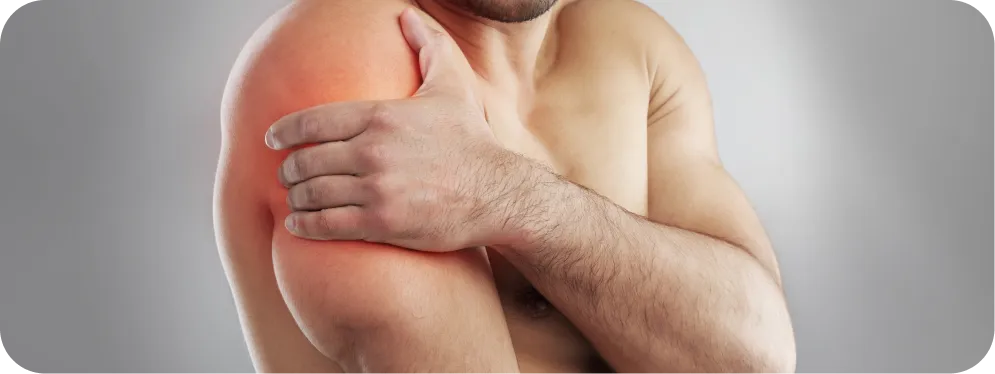
    • Sudden pain in the chest or shoulder: Often described as a tearing or popping sensation during activity.
    • Bruising and swelling: Discoloration may develop along the chest or upper arm shortly after the injury.
    • Loss of strength: Difficulty pushing, lifting, or performing overhead activities.
    • Visible deformity: The chest or upper arm may appear sunken or asymmetric compared to the other side.
    • Tenderness: The area near the upper arm or chest can be very sensitive to touch.

    Recognizing these signs early is important. Ignoring them may lead to chronic weakness, limited function, or cosmetic deformities.
    How a Pectoralis Tendon Rupture is Diagnosed

    Diagnosing a pectoralis tendon rupture involves a combination of physical examination and imaging studies.

    Physical Examination

    During your appointment, an orthopedic specialist will:

    • Assess range of motion and strength in your shoulder and chest.
    • Look for asymmetry in muscle contour.
    • Palpate for tenderness or gaps along the tendon.

    Imaging Tests

    To confirm the diagnosis and plan treatment, your doctor may recommend:

    • MRI (Magnetic Resonance Imaging): Provides detailed images of the tendon and surrounding tissues, showing the exact location and severity of the tear.
    • Ultrasound: Useful for assessing tendon integrity in real-time.
    • X-rays: While they don’t show tendons, they can rule out bone injuries that sometimes occur alongside tendon tears.

    With a precise diagnosis, your orthopedic specialist can recommend the most effective treatment approach.

    Treatment Options for Pectoralis Tendon Rupture

    Treatment depends on the severity of the tear, your activity level, and your personal goals. Options typically include non-surgical care or surgical repair.

    Non-Surgical Treatment

    For partial tears or patients with lower physical demands, non-surgical management may be considered. This typically includes:

    • Rest and activity modification: Avoid lifting, pushing, or overhead activities.
    • Physical therapy: Focuses on strengthening surrounding muscles to compensate for some loss of function.
    • Pain management: Anti-inflammatory medications or short-term use of ice and heat therapy.

    While non-surgical care can relieve pain and maintain some function, it often cannot restore full strength or correct cosmetic deformity. For most active adults, especially athletes or manual laborers, surgical repair is the recommended solution.

    Open Pectoralis Tendon Repair: The Gold Standard

    When it comes to restoring strength, function, and appearance, Open Pectoralis Tendon Repair is the most reliable treatment for a complete pectoralis tendon rupture.

    What is Open Pectoralis Tendon Repair?

    This is a surgical procedure in which your orthopedic surgeon:

    1. Makes a small incision near the shoulder or chest.
    2. Locates the torn tendon and carefully reattaches it to the bone using strong sutures or anchors.
    3. Ensures the tendon is securely fixed in its natural position, allowing it to heal properly.

    This approach is considered gold standard because it directly addresses the tear, restores normal anatomy, and provides predictable long-term results.

    When is Surgery Recommended?

    Open Pectoralis Tendon Repair is usually recommended for:

    • Complete tendon ruptures.
    • Active individuals or athletes who require full shoulder strength.
    • Patients seeking cosmetic correction of chest deformity.
    • Those who do not improve with non-surgical care.

    Surgery is ideally performed within a few weeks of the injury for optimal outcomes.

    Benefits of Open Pectoralis Tendon Repair

    • High success rate: Studies show most patients regain full or near-full strength after surgery.
    • Restored function: Patients can return to weightlifting, sports, and daily activities.
    • Cosmetic improvement: Corrects visible deformity of the chest and upper arm.
    • Long-term durability: Surgical repair significantly reduces the risk of chronic weakness or re-injury.

    Choosing an Experienced Orthopedic Specialist

    The success of Open Pectoralis Tendon Repair depends heavily on the surgeon’s experience and expertise. An orthopedic specialist with advanced training in shoulder and joint injuries can:

    • Precisely diagnose the injury.
    • Recommend the best treatment plan for your lifestyle.
    • Guide you through a safe, structured recovery.
    • Maximize the likelihood of a full return to activity.

    Choosing a specialist you trust ensures that your repair is done with care, precision, and the best possible outcomes.

    Take the Next Step Toward Recovery

    If you suspect or have been diagnosed with a Pectoralis tendon rupture, it’s important to act promptly. Early evaluation by an orthopedic specialist can make a significant difference in your strength, function, and long-term satisfaction.
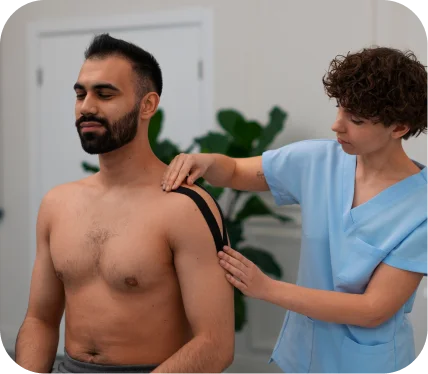
    Physical therapist applying shoulder kinesio tape to a patient during evaluation for pectoralis tendon rupture treatment

    With Open Pectoralis Tendon Repair, most patients regain nearly full strength, restore chest symmetry, and confidently return to their favorite activities. Don’t wait—schedule a consultation today to discuss your options and take the first step toward a complete, lasting recovery.

  • Understanding AC Joint Injuries (Acute or Chronic): Symptoms, Diagnosis, and Treatment Options

    Understanding AC Joint Injuries (Acute or Chronic): Symptoms, Diagnosis, and Treatment Options

    If you’ve recently been diagnosed with an AC joint injury, you may be feeling a mix of concern and uncertainty. These injuries—whether acute from a fall or sports incident, or chronic due to wear and tear—can significantly affect your shoulder function and quality of life. Understanding your diagnosis early and exploring your treatment options can make a huge difference in recovery and long-term shoulder health.

    In this guide, we’ll walk you through the symptoms, diagnosis, and treatment options for AC joint injuries, with a special focus on Arthroscopic vs. Open AC Joint Repair/Reconstruction, helping you feel informed and confident about the next steps.

    [tabla_contenidos]

    What Are AC Joint Injuries (Acute or Chronic)?

    The acromioclavicular (AC) joint is located at the top of your shoulder, where the collarbone (clavicle) meets the highest point of the shoulder blade (acromion). It plays an essential role in shoulder movement, stability, and overall upper-body function.

    AC joint injuries occur when this joint is stressed, either suddenly (acute) or gradually (chronic):

    • Acute injuries usually result from a fall directly onto the shoulder, sports collisions, or accidents.
    • Chronic injuries develop over time due to repetitive stress, degenerative changes, or arthritis.

    Recognizing the injury early is important because untreated AC joint damage can lead to persistent pain, shoulder weakness, and reduced range of motion.

    Symptoms of AC Joint Injuries

    The symptoms of an AC joint injury can vary depending on severity, but most patients notice some combination of the following:

    • Pain at the top of the shoulder, often worsening with overhead activities or lifting.
    • Visible bump or swelling over the AC joint in acute injuries.
    • Tenderness to touch along the joint line.
    • Reduced range of motion or difficulty performing daily tasks like reaching overhead or behind the back.
    • Shoulder weakness or instability, particularly in chronic injuries.

    If these symptoms persist or worsen, it’s important to seek evaluation by an orthopedic specialist to prevent long-term complications.

    How AC Joint Injuries Are Diagnosed

    Diagnosing an AC joint injury typically involves a combination of physical examination and imaging:

    Physical Exam:

    • Your doctor will assess tenderness, swelling, and any abnormal mobility in the AC joint.
    • Specific tests may be performed to evaluate ligament stability and pain with shoulder movement.

    Imaging Studies

    • X-rays help identify fractures, joint separation, or degenerative changes.
    • MRI may be recommended in chronic or complex cases to evaluate soft tissues, ligaments, and cartilage.

    A thorough diagnosis allows your orthopedic specialist to determine whether non-surgical care is appropriate or if surgical intervention is needed.

    Treatment Options for AC Joint Injuries

    Non-Surgical Treatments

    Not all AC joint injuries require surgery. Mild to moderate injuries are often managed conservatively with:

    • Rest and activity modification to avoid movements that aggravate the joint.
    • Ice or heat therapy to reduce pain and inflammation.
    • Physical therapy focused on strengthening shoulder muscles and improving range of motion.
    • Anti-inflammatory medications for short-term pain relief.

    While these approaches can be effective for many patients, severe acute injuries or chronic degenerative AC joint problems may benefit more from surgical repair or reconstruction.

    Arthroscopic vs. Open AC Joint Repair/Reconstruction

    When non-surgical treatments are insufficient, surgical intervention may be recommended to restore joint stability, reduce pain, and improve shoulder function. Two main approaches are used: arthroscopic and open AC joint repair/reconstruction.

    How It Works

    Arthroscopic AC Joint Repair:

    • Performed using small incisions and a tiny camera (arthroscope).
    • Allows the surgeon to precisely repair damaged ligaments, remove bone spurs, and reconstruct the joint with minimal disruption to surrounding tissues.
    • Often involves using specialized devices to stabilize the clavicle.

    Open AC Joint Reconstruction:

    • Involves a slightly larger incision to directly access the AC joint.
    • Allows for reconstruction of torn ligaments and restoration of joint alignment, sometimes using grafts from your own tissue or synthetic materials.

    Both procedures aim to restore shoulder stability, reduce pain, and prevent future joint degeneration.

    When Surgery Is Recommended

    Surgical repair is typically considered when:

    • The AC joint injury is severe or high-grade, with visible displacement of the collarbone.
    • Chronic pain or instability persists despite conservative therapy.
    • The patient is physically active or has high demands on the shoulder for work or sports.

    Benefits and Success Rates

    • Arthroscopic repair offers smaller incisions, less soft tissue trauma, and faster early recovery.
    • Open reconstruction may provide robust repair in complex cases or when tissue quality is poor.
    • Success rates for both approaches are high, with most patients experiencing significant pain relief, improved strength, and restoration of shoulder function. Studies show that 85–95% of patients achieve excellent long-term outcomes when treated by an experienced orthopedic specialist.

    Take Action for Your Shoulder Health

    AC joint injuries can be painful and limit your daily activities, but with expert evaluation and modern surgical techniques, most patients regain strength, stability, and confidence in their shoulder.

    If you are experiencing persistent pain, reduced motion, or instability, consult an experienced orthopedic specialist who can guide you through the best treatment options, including Arthroscopic vs. Open AC Joint Repair/Reconstruction. Early intervention and expert care give you the best chance for a full, lasting recovery and a return to the activities you love.

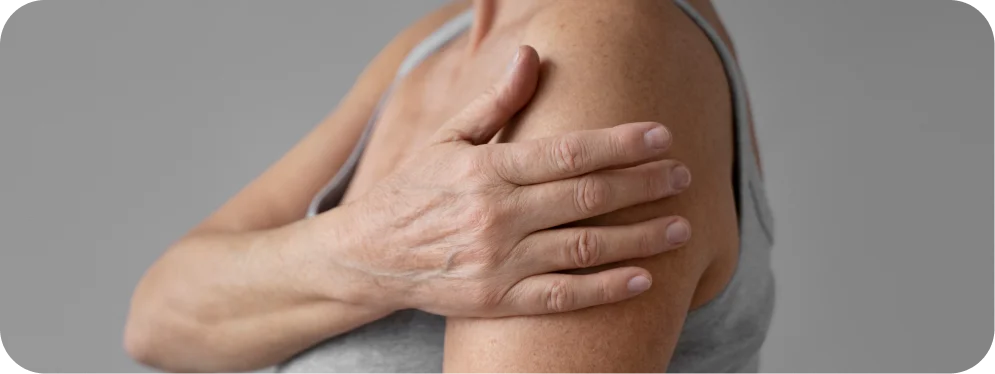
    Woman receiving orthopedic shoulder evaluation for suspected AC joint injury

    Don’t wait—schedule a consultation today to take the first step toward a healthy, pain-free shoulder.