Pre-Surgery Instructions

For repair of meniscus tears with your surgeon.


Please read these carefully and plan accordingly. Questions? Reach out! We’re here to help.

Surgery Locations

Each surgeon at the Joint Preservation Center operates at specific surgery centers.
Select your surgeon to view the locations where they perform surgery and find the details for each center.

Prior to Surgery

Medications

To help avoid bleeding during surgery (which makes the surgery harder) please:


  • Stop taking all NSAIDs (non-steroidal anti-inflammatory medications) 2 weeks before surgery. For example, no Ibuprofen, Advil, Aleve, Motrin, Aspirin, Mobic, Bayer, etc.
  • If your surgery is in less than 2 weeks from now, stop taking the medications now
  • If you are taking Celebrex, ok to continue (it does not thin the blood)


Medications that you will receive before surgery as prescribed by your surgeon:


  • Pain medication: Journavx + Tramadol
  • Constipation medication (if taking the pain killer): Colace

Please bring these medications with you the day of the surgery.

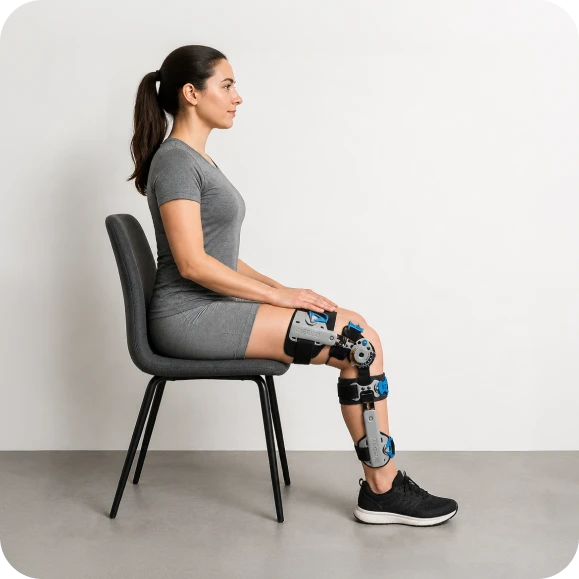
Knee Brace

If your surgery requires a post-op knee brace: you’ll be connected with Restore In Motion (https://www.restoremotiondme.com/index.html)

Please bring the brace with you the day of the surgery

Other Instructions

  • Stop smoking as early as possible before your procedure and for the duration of your recovery.
  • DO NOT drink alcohol 24 hours prior to your procedure.

The Night Before Surgery

  • Please DO NOT eat anything after midnight
  • Ok to take your usual required medications with a small sip of water
  • Plain black coffee or water is ok to drink up until 6 hours before surgery


Failure to follow this instruction could lead to cancellation or postponement of your procedure.

On Day of Surgery

Patient Instructions

  • DO NOT wear make-up, body lotion, or nail polish.

  • DO remove all valuables (jewelry, body piercings, etc.) and leave at home. CRSC does not accept financial responsibility for lost valuables or personal belongings.

  • DO wear glasses; if you must wear your contacts, please bring a container for your lenses.

  • DO wear loose, comfortable clothing that you can change easily and that will not bind at the site of your surgery/procedure.

  • DO take a shower or bath the morning of surgery or the night before

Please Bring

  • A list of all medications that you are currently taking, including dosages and frequency. Please include vitamins, supplements, and herbal remedies.

  • Heart and/or blood pressure medication(s) in their original labeled containers.

  • Advance Directive, Healthcare Power of Attorney, and/or applicable guardianship papers.

  • Any items issued/prescribed by your physician for your procedure, such as: crutches, immobilizer/brace, and/or ice machine. (Please leave crutches in the car; any brace, immobilizer, and/or ice machine should be brought with you into the Center.)

  • Oxygen tank, inhaler(s), or CPAP machine if you use these items.

  • Medical device identification if you have a pacemaker or defibrillator.

  • Your remote programmer if you have an implanted electrical stimulating device.

Responsible Adult Driver

DAll patients must arrange for a responsible adult driver (over the age of 18) to remain in the Surgery Center during the entire stay.

  • Your driver must have a valid driver’s license.

  • Failure to have a driver could result in delay or cancellation of your procedure; taxi cab, bus, and other forms of public transportation are only acceptable only if you have adult companion with you.

Prior to Surgery

  • When you arrive, you will be greeted by the Front Desk staff, who will register you, ensuring all of your personal information is correct.

  • You will be taken to the pre-operative area where a nurse will review your personal information, health history, and medications/allergies with you. They will also prepare you for your procedure or surgery. Your driver can come with you to the pre-op area if you wish.

  • Dr. Saliman will speak with you and examine your knee if he has not already done so.

  • Your anesthesiologist will also speak with you to answer any questions before surgery.

After Surgery

  • After your procedure, you will rest in our recovery room under the care of our nursing staff. When you reach Phase 2 of your recovery, we will bring in your family member or friend to be with you. You may still be sleepy at this time.

  • A physician or nurse will answer your questions and provide you with detailed discharge instructions prior to leaving the Surgery Center.

Leaving the Surgery Center

  • For most procedures you will be ready to leave the Surgery Center within 2 hours following completion of your surgery.

  • You must have a responsible adult with you to drive you home or accompany you if you plan to use a taxi service. Use of a taxi or public transport service will not be permitted without an accompanying adult.

  • DO have someone plan to stay with you through the night.

  • DO NOT drive or return to work on the day of surgery.

When You Get Home

  • FDO follow your discharge and post-operative instructions carefully.

  • DO NOT drive or operate machinery, sign legal documents, drink alcoholic beverages, or use recreational drugs for at least 24 hours after surgery.

  • Patients often experience minor effects following anesthesia, such as drowsiness, nausea, muscle aches, a sore throat, headaches, or dizziness. These side effects decline in the hours following your procedure but may take several days before they are gone completely.

  • The majority of patients will feel up to their typical activities the next day; but remember as you go about your day to move slowly and carefully and to get plenty of rest.

  • It is common to experience constipation after surgery. The most common causes of constipation after surgery are pain medications and anesthesia.

  • Contact your physician if you have questions about what you can and cannot do, when you can return to work, and how active you may be.

  • If you experience unexpected pain, severe bleeding, or a temperature greater than 101 degrees.

  • Fahrenheit, have your physician paged by calling (123) 123-4567 or immediately proceed to the hospital emergency room.